-

by
CareMount Medical
Your Community
If you have a pre-existing heart disease and become ill with COVID-19, you are at a higher risk for a heart attack or developing congestive heart failure. This is likely due to a combination of the severity of the viral illness and its increased demands on the heart (fever causes rapid heart rate, for example), compounded by low oxygen levels and an increased likelihood for blood clot ...
-

by
CareMount Medical
Your Community
Infectious diseases such as COVID-19 are more serious in people with diabetes, according to the CDC. Why is this? 1) The immune system of diabetics does not function as well, which makes it harder for their bodies to fight the virus; and 2) the coronavirus appears to thrive in an environment of elevated blood glucose levels which makes the healing response to any infection slower. ...
-
by
Dr. Serulle, Interventional Neuroradiology, Diagnostic Radiology, Neuroradiology, Phelps Hospital, Northwell Health
Your Community
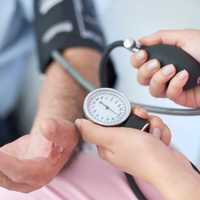
What is a stroke?Your brain needs oxygen to function, and it receives oxygen in the blood. If something like a clot deprives your brain of the oxygen it needs, your brain cells will die, along with the functions they control, such as memory, movement, or speech. This is a stroke.According to the American Stroke Association, stroke is the leading cause of adult disability and the fifth ...
-

by
Dina Katz, Senior Attending Cardiologist, Phelps/Northwell at Briarcliff Manor
Your Community
It’s always a great time to create a new and improved, healthier version of you. A good way to start a healthier lifestyle is to think about ways you can lower your risk of developing heart disease.Understanding heart disease risk factorsTraditional risks of heart disease can be categorized as non-modifiable (genetic) or modifiable. But remember, the same parents that gave you your high ...
-

by
Leslie Pepper
Your Community
The statistics are staggering: More than 2,000 people die of heart disease in this country every day. That’s an average of one death every 40 seconds. And while the risk of heart disease increases with age, it’s never too early to get into healthy habits that help protect this essential organ. In fact, the younger you start, the better off you’ll be. “Atherosclerosis, which is a buildup ...
-

by
Richard Keating, MD, FACC
Your Community
Heart disease is a growing epidemic, but eating a heart healthy diet is your best defense in reducing your risk. CareMount Medical Cardiologist, Dr. Richard Keating, shares these tips:1. Decrease saturated fats and trans fats.Decrease saturated fats (such as whole milk, butter, fatty cuts of meat) and trans fats (e.g. fast foods) and choose monounsaturated and polyunsaturated fats (from ...
-
by
Richard Keating, MD, FACC
Your Community
Heart disease is a growing epidemic, but eating a heart healthy diet is your best defense in reducing your risk. CareMount Medical Cardiologist, Dr. Richard Keating, shares these tips:1. Decrease saturated fats and trans fats.Decrease saturated fats (such as whole milk, butter, fatty cuts of meat) and trans fats (e.g. fast foods) and choose monounsaturated and polyunsaturated fats (from ...


